Blog / Technical Guide
The Ultimate Guide to Photorealistic Architectural Interior Rendering
Published April 2026 · Estimated read: 6 min read
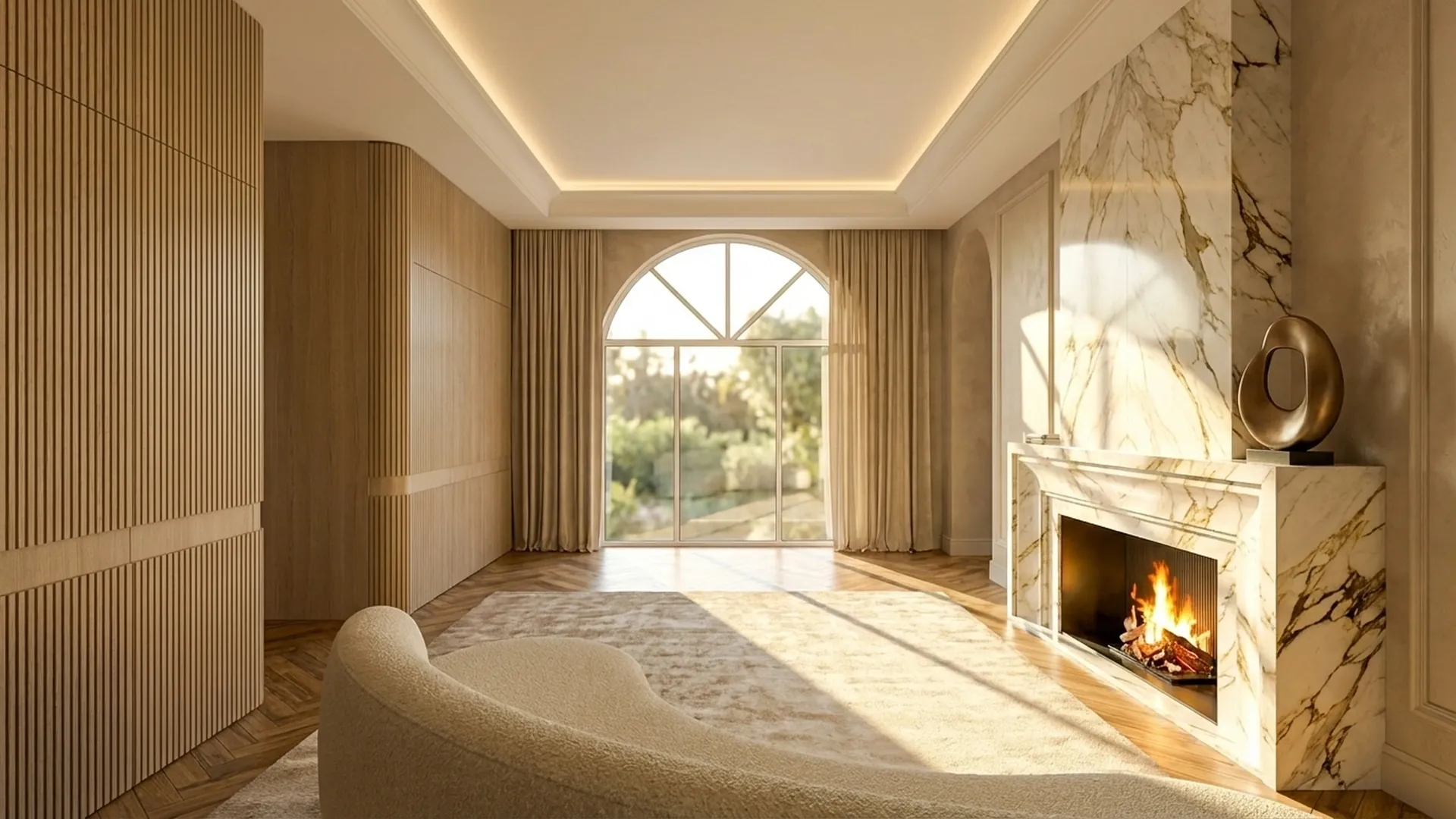
Achieving absolute photorealism in interior architectural visualization goes beyond basic 3D modeling and slapping on a few textures. It requires a fundamental understanding of how real-world light behaves in enclosed spaces.
Mastering Volumetric Light Bounces
The secret to a convincing interior is indirect illumination. When sunlight enters a room through a window, it doesn't just hit the floor and stop. It bounces off the floorboards, picking up their color (color bleeding), and scatters into the deepest corners of the room. In rendering engines like V-Ray or full-path tracers like Cycles, controlling the number of light bounces is crucial to avoiding 'dead zones' of absolute black shadows.
Micro-Imperfections in Materials
No real-world architectural material is perfectly flat or purely reflective. Even the highest-end polished marble has microscopic variations. Utilizing high-resolution roughness maps and specular breakdown textures ensures that the light blooming off surfaces feels organic, not plastic.
Photographic Camera Mimicry
Finally, framing an interior shot requires mimicking real-world architectural photography lenses. Utilizing a virtual 24mm or 35mm lens with physically accurate depth of field (f/8 to f/11) and adding subtle chromatic aberration and film grain in post-processing bridges the gap between 'computer generated' and 'photographed'.
Need photorealistic 3D visualization for your next project?
Let's Talk